Taste is not a Vibe
Taste isn't something you're born with — it's something you build. A practical breakdown of how designers develop, sharpen, and apply genuine creative judgment in an age where AI can make anything but can't decide what matters.
Everyone in design is talking about taste right now. It shows up in hiring conversations, in feedback, in communities in the way people describe work they admire. *"This product has great taste." or"This logo is not tasteful enough." *
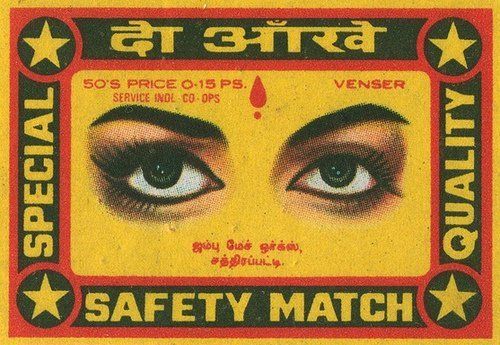 https://www.matt-lee.com/matchboxes-from-the-subcontinent
But ask most people what taste actually is and not what it feels like, but what it actually is, and the answer gets fuzzy, fast. It collapses into aesthetics, or instinct, or worse, something you either have or you don't. And there is this constant question, is taste something learnable or transferable?
And that vagueness is convenient. If taste is something you either have or you don't, you never have to do the work of building it. I think that's wrong — and worth arguing with.
What Taste Actually Is
Think about the last time you walked into a relative's house you'd never been to before. The moment you entered, you already knew something. The distance between the sofa and the TV. The amount of negative space in the room. The faint smell of food that had been cooked hours ago but hadn't quite left yet. Nobody asked you to notice any of that. But you did — and you'd already formed a picture of who lived there before anyone said a word.
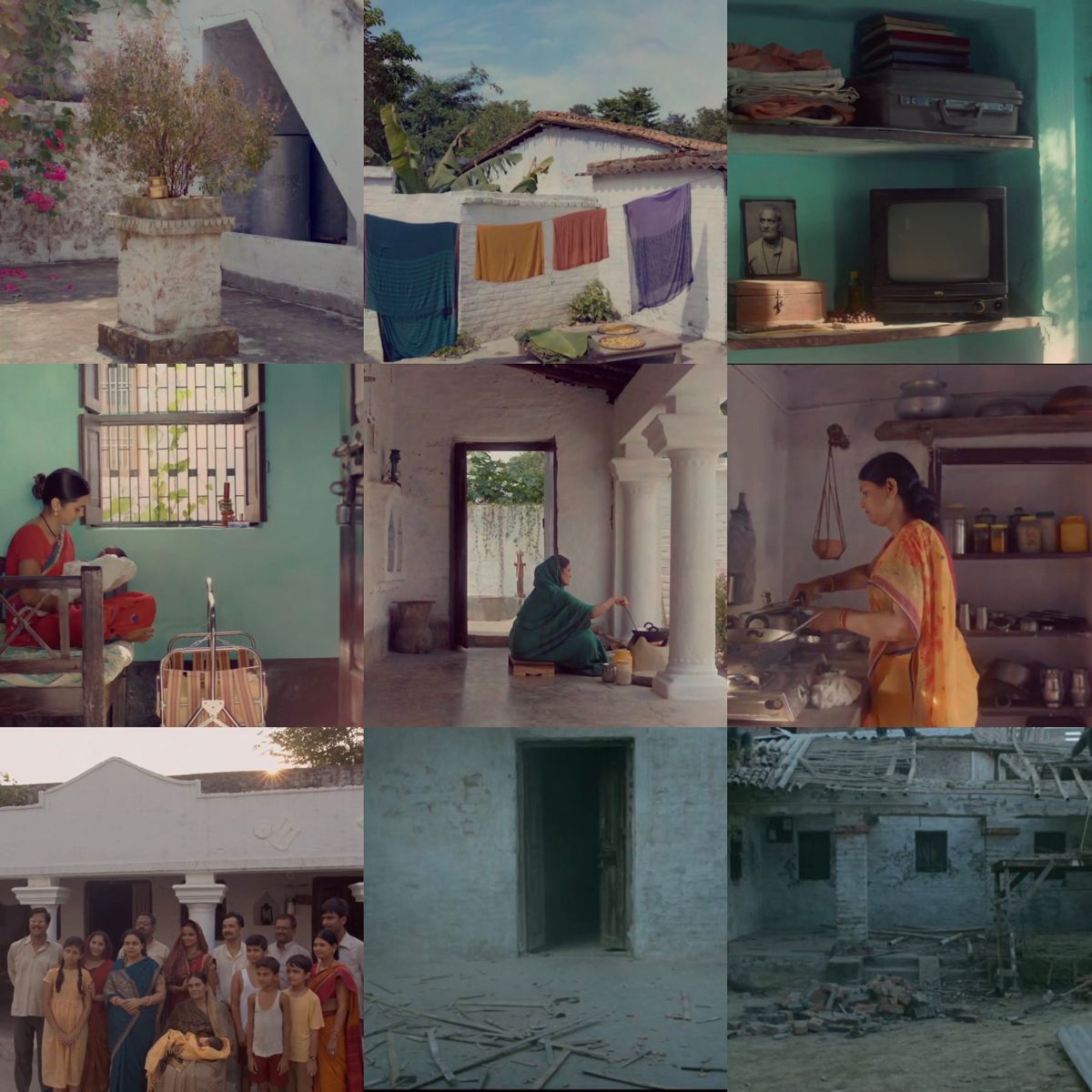 Gamak Ghar, 2019
That judgment is taste. Not the conclusion, rather the act of noticing and deciding.
And stopping at the feeling is where most people get stuck.
 untitled exploration by me, 2023
Taste is a feeling you've interrogated enough to understand, and therefore transfer.
It's not just aesthetics. It's the ability to:
-
Notice what most people skip
-
Feel the difference between something considered and something merely executed
-
Make a judgment and stand behind it even when nobody else sees it yet
Consider brutalist architecture. When those buildings went up across Europe in the 60s and 70s, they were social housing — functional, utilitarian, deliberately stripped of ornament. Critics hated them. Residents felt warehoused. Today, the same buildings have Instagram accounts, preservation orders, and waiting lists.
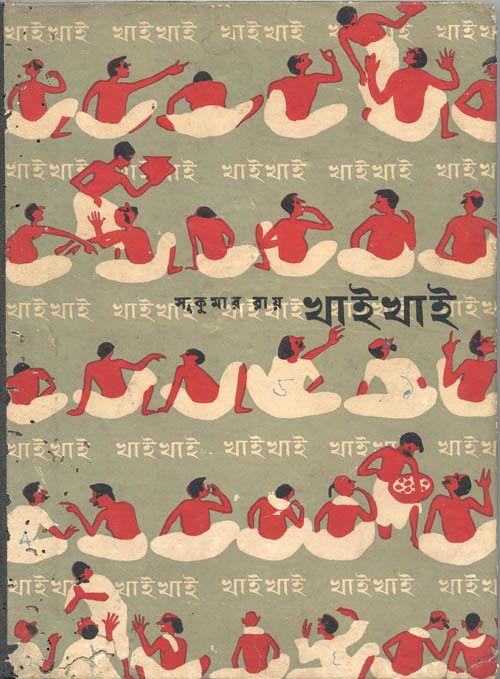 book cover by satyajit ray
Nothing changed about the concrete. Everything changed about the context people brought to it.
Or think about how Wes Anderson's symmetrical, pastel-drenched frames were considered precious and mannered when The Royal Tenenbaums came out in 2001. Now that exact visual language is a meme, a filter, an aesthetic shorthand understood globally. The taste didn't arrive fully formed — it accumulated through exposure until it tipped into the mainstream.
Taste is always moving, changing, evolving.
What you're really doing when you develop it, is learning to read where it's moving towards, and occasionally, getting there first.
The mistake is treating taste as either fixed or arbitrary. It's neither.
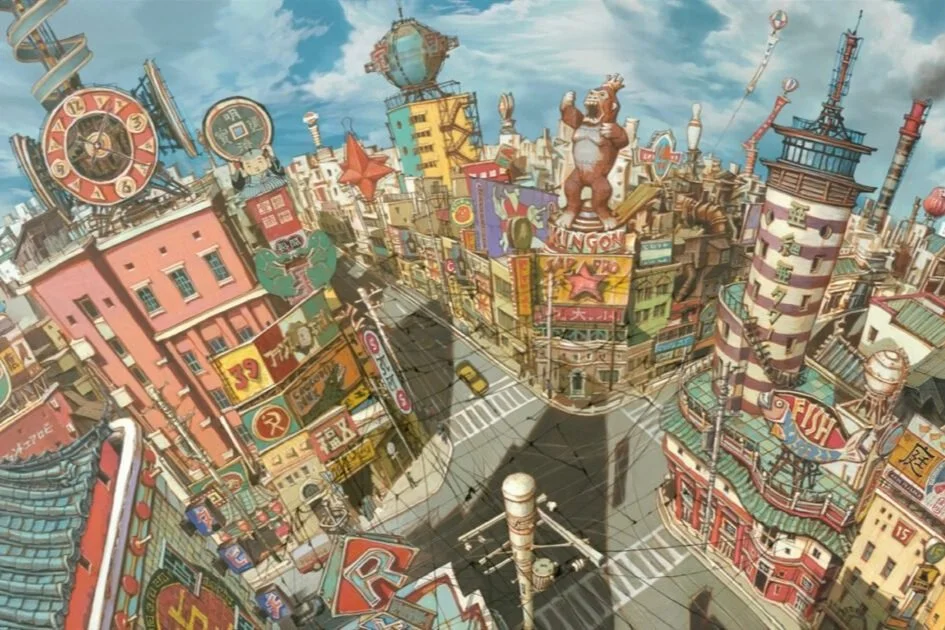 Tekkonkinkreet, 2006
Part 1: What to Consume — and How to Find It
Most advice here is useless. "Consume great work" tells you nothing if you don't yet know what great looks like. But there's a prior problem nobody names: most designers' discovery infrastructure is a closed loop.
You consume work in your field. You get better at recognizing patterns in your field. Those patterns become the vocabulary you reach for. The range of connections available to you quietly narrows — not because you stopped being curious, but because the inputs stopped being strange.
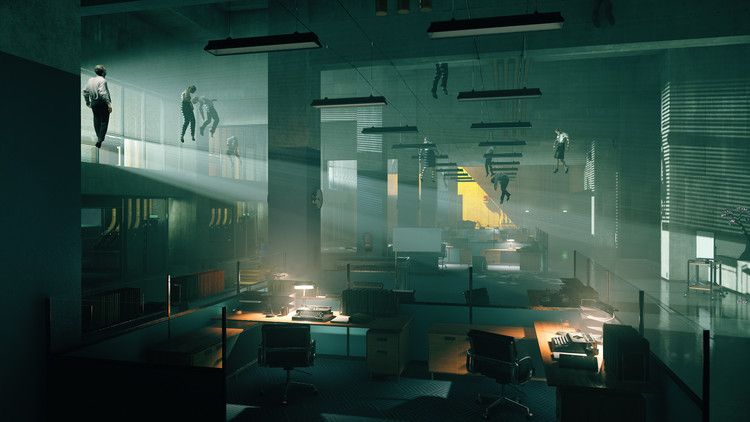 Control, video game, 2019
Creative thinking is fundamentally about the distance between the dots you're connecting. If all your dots are clustered in the same neighborhood, the connections you make will be predictable — even if your execution is flawless. And predictable connections produce work that feels like everything else, regardless of how well it's made.
This is why the real question isn't "what should I consume" but
How do you find references that actually stretch you, rather than confirm what you already like?
Charles and Ray Eames ran their office at 901 Washington Boulevard like an ongoing experiment in this. The shelves held Japanese spinning tops, Czech puppets, paper kites, circus mirrors — objects that had no obvious connection to each other and even less obvious connection to designing chairs or corporate films. That was the point. When they made Powers of Ten in 1977 — a nine-minute film that zooms from a Chicago picnic out to the edge of the universe, then back into a single blood cell — the thinking behind it didn't come from studying other films. It came from a practice of collecting ways of seeing that had no immediate application.
That's the kind of reference that actually does something. Not because it inspires you, but because it rewires how you see. The spinning top taught them something about balance and motion. A trip to India reshuffled how they thought about design problems for years. The connections were lateral, unpredictable, and impossible to reverse-engineer — which is exactly what made the work theirs.
The test for whether a reference is doing that work: does it give you a new frame, or does it confirm the one you already have? Confirmation feels good. It builds confidence. It does not build taste.
Three things that actually help:
Look at adjacent constraints, not adjacent aesthetics. Architecture and industrial design. Fashion and wayfinding. Film editing and UI flow. The surfaces are different but the constraints rhyme — and it's the constraints that teach you something transferable. A furniture designer working within the limits of plywood will show you something about economy of form that a UI designer working in unconstrained pixels hasn't had to learn.
Follow people, not feeds. Find out what the people whose taste you admire are actually looking at. Not what they're posting — what they're consuming. That's one step closer to the source, before it gets processed into content.
Seek work that makes you slightly uncomfortable. Not transgressive for the sake of it — but work you don't immediately know what to do with. That discomfort is diagnostic. It means your existing frame doesn't have a slot for it yet. That's the only condition under which the frame actually expands.
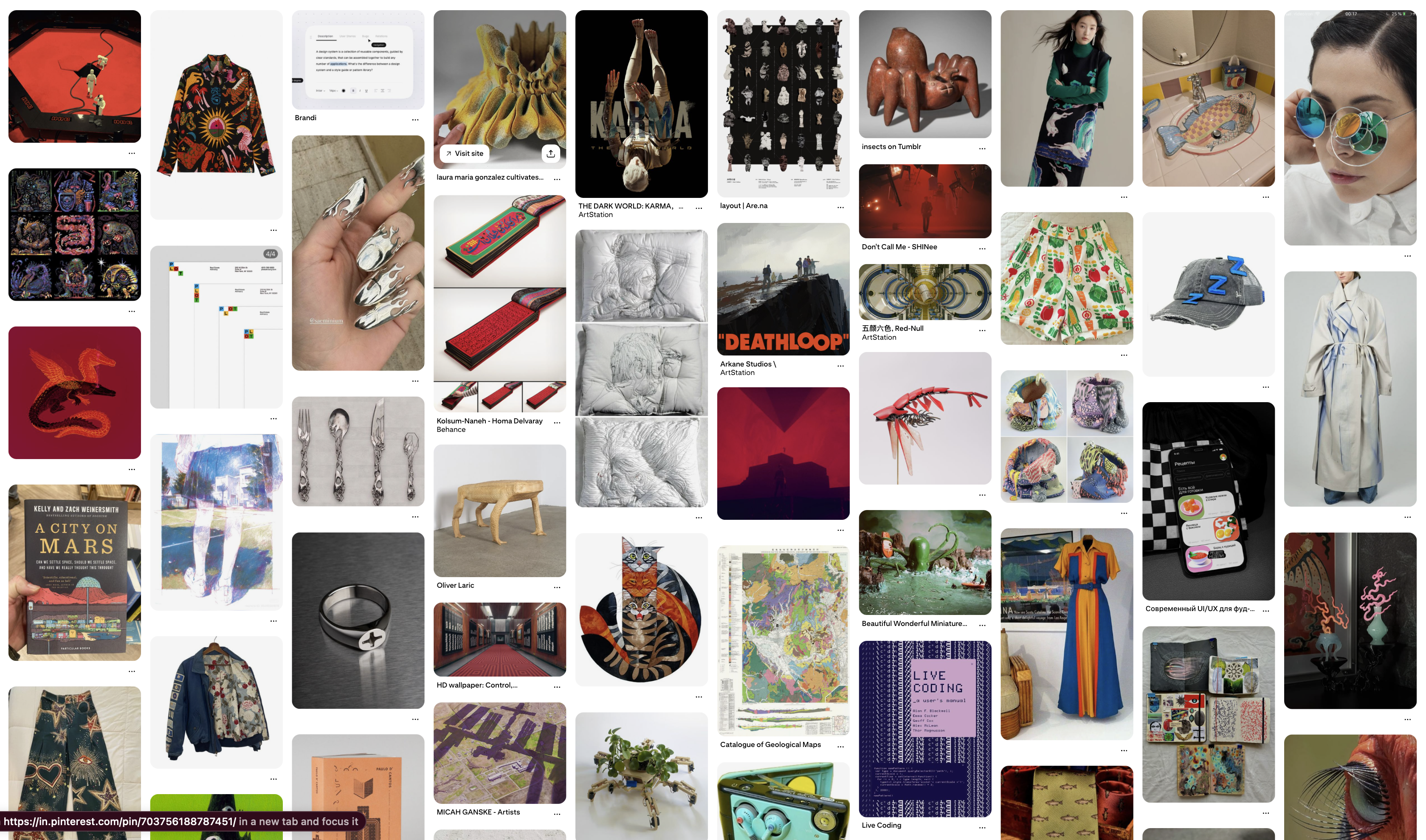 my pinterest home, 2026
The goal isn't a bigger moodboard. It's a wider range of dots — and enough distance between them that the connections you make are genuinely yours.
Part 2: How to Consume — The Quality of Attention
Finding the right references is only half of it. The other half is how you actually look at them.
Most people consume passively. They feel a reaction: they like or don't like something and just move on. That's not building taste. That's building a mood board.
The practice is to slow down and ask why.
Not "I like this", but rather
-
What specifically am I responding to?
-
Why does it work?
-
Would it still work if I changed X? What breaks first?
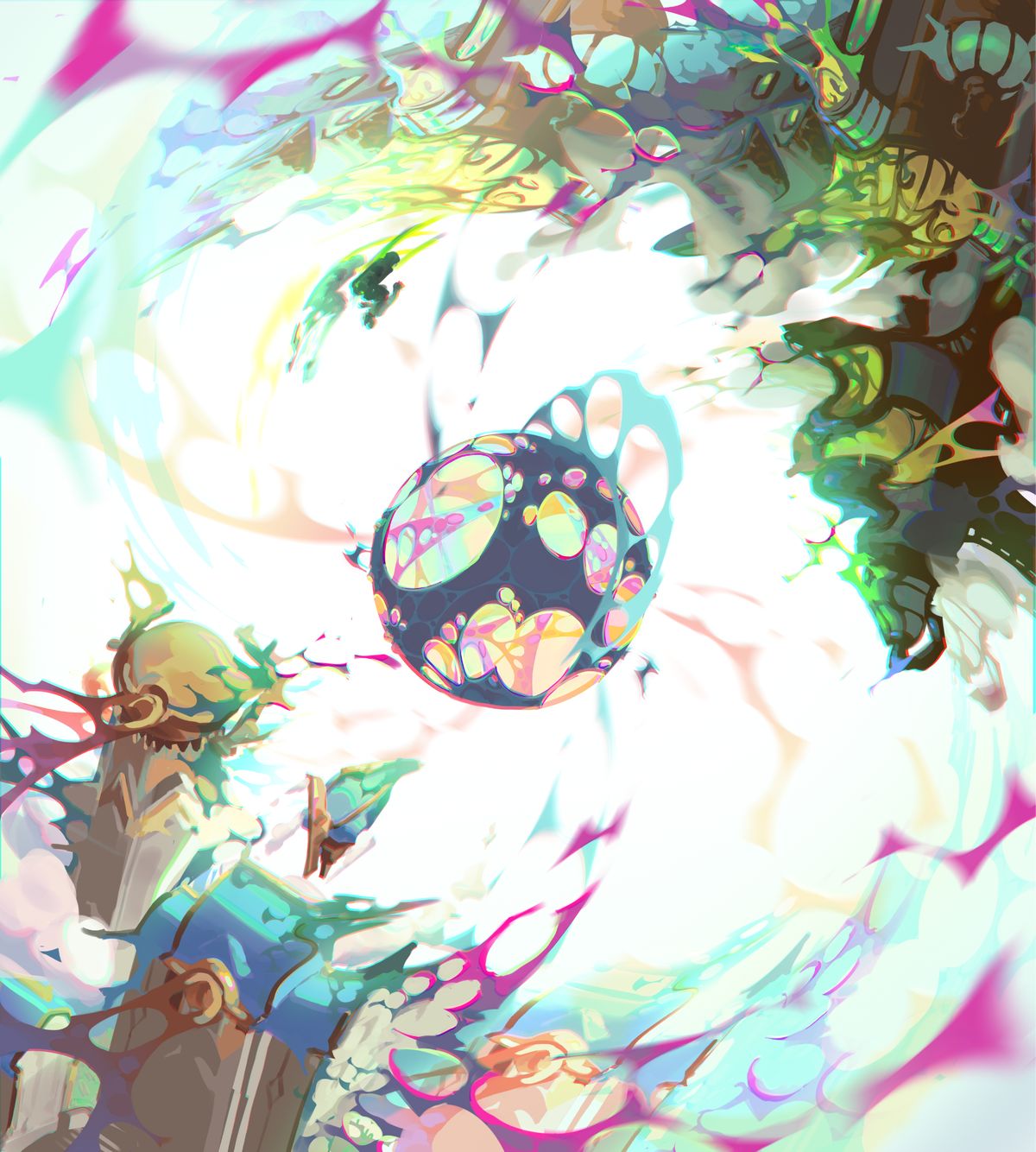 Arcane, TV series, 2021
Useful exercise: Take something well-designed and find the single decision everything else depends on — the load-bearing choice. Remove it mentally. See what collapses. That's where the taste lives.
Study failure as carefully as success.
Bad design is often more instructive because the gap between intention and execution is exposed. That gap is where you learn.
Part 3: Developing Your Own Taste
Consuming widely gives you vocabulary. But taste requires a point of view.
An actual stance about:
-
What matters and what doesn't?
-
What you're willing to trade?
-
What you refuse to compromise on regardless of the brief?
Here's the uncomfortable part — most of what we think of as our taste is borrowed. We anchor to people we admire. That's fine as a starting point. The question is whether you ever move past the anchor.
Do your influences recombine into something genuinely yours?
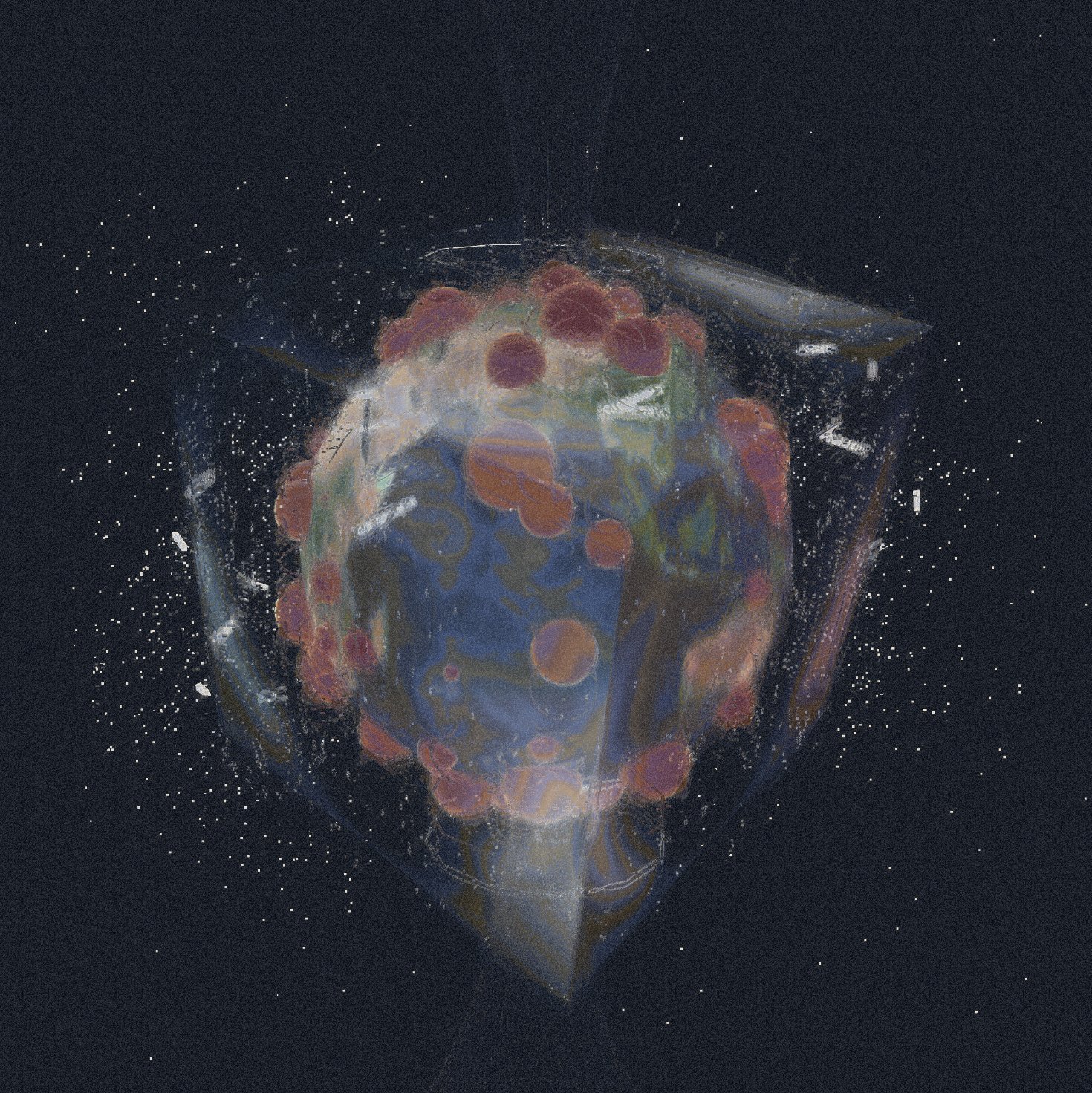 whatonearth, generative art, 2022
My portfolio is a deliberate example: maximalist in content depth, minimalist in functional structure, without losing delight in the details. Deliberately slightly off from what's trending. Some people won't get it immediately. The point was never to be immediately legible to everyone — it was to be coherent to the right people.
Three things that help you build a genuine position:
-
**Make things outside your job. **Side projects are where your taste runs without client constraints or sprint cycles. If your personal work looks indistinguishable from your professional work, that's worth examining.
-
Notice the choices you keep making. What do you consistently reach for? What do you avoid? Those patterns are the outline of your taste even before you can articulate it.
-
Write about what you're building and why. Not for an audience — for yourself. Articulating a decision forces you to either find the reason or admit you don't have one.
 photograph by me, nikola lenivets, 2020
Part 4: Applying Your Taste to What You Build
This is where taste stops being personal and becomes professional.
The stakes for taste have never been higher and the reason is obvious.
AI has collapsed the barrier to making things. A reasonable output in almost any medium is now available to anyone with a prompt and fifteen minutes. The floor has risen dramatically. But so has the noise.
Everything is starting to look the same — not because people lack skill, but because the models are trained on the same internet, the same pattern language, the same aesthetic center of gravity.
AI compresses toward the probable. Taste is what pulls you away from it.
As Sunit Singh put it simply: AI can give you ten possibilities. Taste picks one.
That's not a dismissal of the tools — it's a clarification of what they're actually for. They're extraordinary at generating options, simulating risk, collapsing iteration time. They're useless at choosing between those options in a way that means anything to a specific person in a specific context. That part is still entirely human.
The designers who will matter in this environment aren't the ones who use AI fastest. They're the ones who know what to do with what it produces — what to keep, what to cut, what to push further, and when to throw it all out and start from a different place entirely.
In practice, applying taste means three things:
1. Know when you're making a choice vs. following a default. Most of what we produce is defaults — safe palette, familiar pattern, "good enough" layout. Taste means being conscious when you're using one, and knowing why you chose this default over another.
2. Edit harder than most people are comfortable with. Taste in application is mostly subtraction. The willingness to remove the thing that's technically fine but slightly wrong. To sit with less until it feels right rather than filling space because you can.
3. Hold your position in a room. When your judgment isn't immediately obvious to others, be able to say: "Here's what I'm trying to do, here's the tradeoff, here's why it's right for this user in this context." That's taste made legible.
The Bottom Line
The word gets thrown around because it sounds like something you either have or you don't. That's more comfortable — it explains the gap between good and great without requiring you to do anything about it.
Taste is developed.
Slowly, through what you look at, how carefully you look at it, the positions you form, and the decisions you're willing to stand behind.
Compounding over time in a way that's genuinely hard to reverse engineer. That's why it's the edge, not because it's mysterious, but because most people won't do the work.
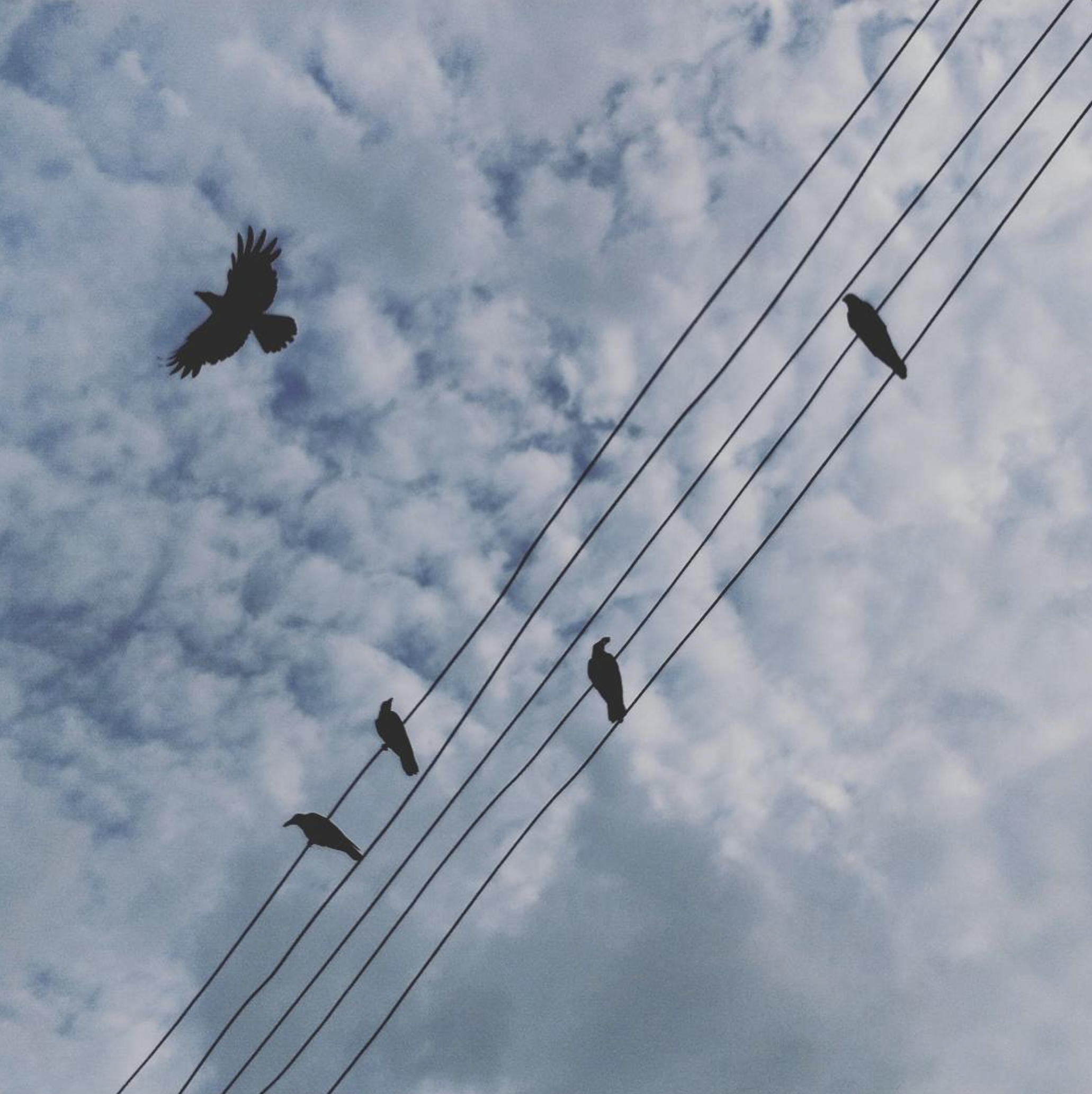 photograph by me, bird life, 2017
Read more
- Vibing this website into existenceYour portfolio has the same problem mine did. Here's how I fixed mine — and why you can fix yours too.
- Frameo.AI 2025 | HighlightsHighlights from 2025, on the journey building Frameo.AI, a chat-first AI native storytelling tool.
- Dashtoon studio 2023-24 | Webcomic creation platform Designing a webcomic creation platform from scratch pushing content creation velocity to 5x.