Tool-making as an art practice
Tool-making is an art practice. Not the things you make with tools, the tools themselves are objects of power that shape how we think and who we become. I've spent eight years making tools as both generative art and AI products, and the line between them was never as clear as I thought. Every tool carries a philosophy. This is about what I've learned, and the questions I'm still sitting with.
I've been making tools for eight years now. At first, I thought there was a clear line: product tools on one side, art on the other. But somewhere during my generative art practice, I realized that my art wasn't necessarily what I made with the tools. The tools themselves were the art, especially when I made them non-utilitarian, wacky and emotional.
We don't usually think about tools this way. We think about the painting, not the brush. The building, not the hammer. The song, not the instrument.
Tools are objects of power.
They transcend time. They shape not just what we make, but how we think, what we imagine is possible, who we become in the process of making.
A tool is a signal that ripples forward. It changes the people who use it, and those people change the world.
Playing as exploration
Back in design college, I was playing around with TouchDesigner, this node-based visual programming environment where you wire up audio and video and data into whatever shape you want. I was obsessed with Lev Manovich's A Language of New Media, particularly his ideas about data as art, information, and interface.
So I built this thing: a dashboard that ate real-time audio and spat out visualizations, simple games, image series from popular music. I was trying to hold all three of Manovich's categories at once, to show the politics of data in a way that was technical but felt like something more.
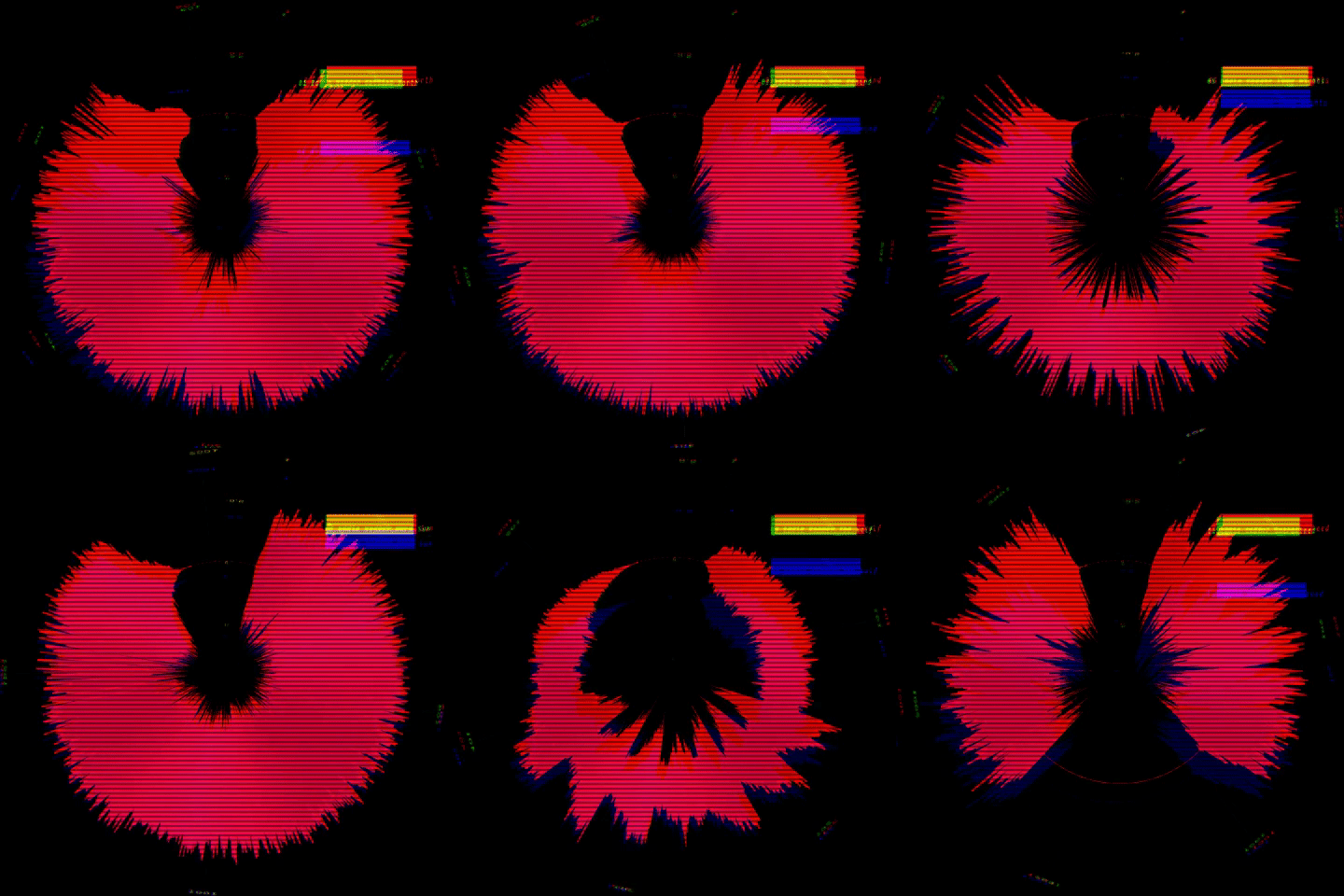 An image depicting the output of a tool that visualizes the shape of popular music, revealing patterns across an album.
At the time, I thought I was just making something exciting. Playing. I didn't realize I was making a tool. The realization came later: what I'd built wasn't the output, the visualizations or the games. What I'd built was a way of seeing. A lens.
Tools are instruments for perceiving data as a living material.
That was the first time I felt it: tools themselves can be the art.
Tools as emotional outlets
Fast forward a few years. I'm back from Russia, from the Terraforming 2020 program at Strelka, Benjamin Bratton's course about planetary-scale computation, governance, the literal terraforming of Earth. It left me with so many questions. What the fuck do you even do with that kind of knowledge? Add COVID. Deaths in the family. Watching my parents age in real time. The survival instinct kicking in. Chaos everywhere.
I started making generative art under the name Jaali Bandar, working in cables.gl, a node-based editor, WebGL this time. I was simulating things: alien spaceships on different planets, audio generated from pure random noise, visual experiments that existed for no reason other than that they had to exist.
This wasn't about output. It was about response. The process of making tools became akin to a diary, holding my emotions, fears, hopes, dreams encoded into parametric shapes and algorithmic logic. Each project was a way of talking to myself when I couldn't find the words.
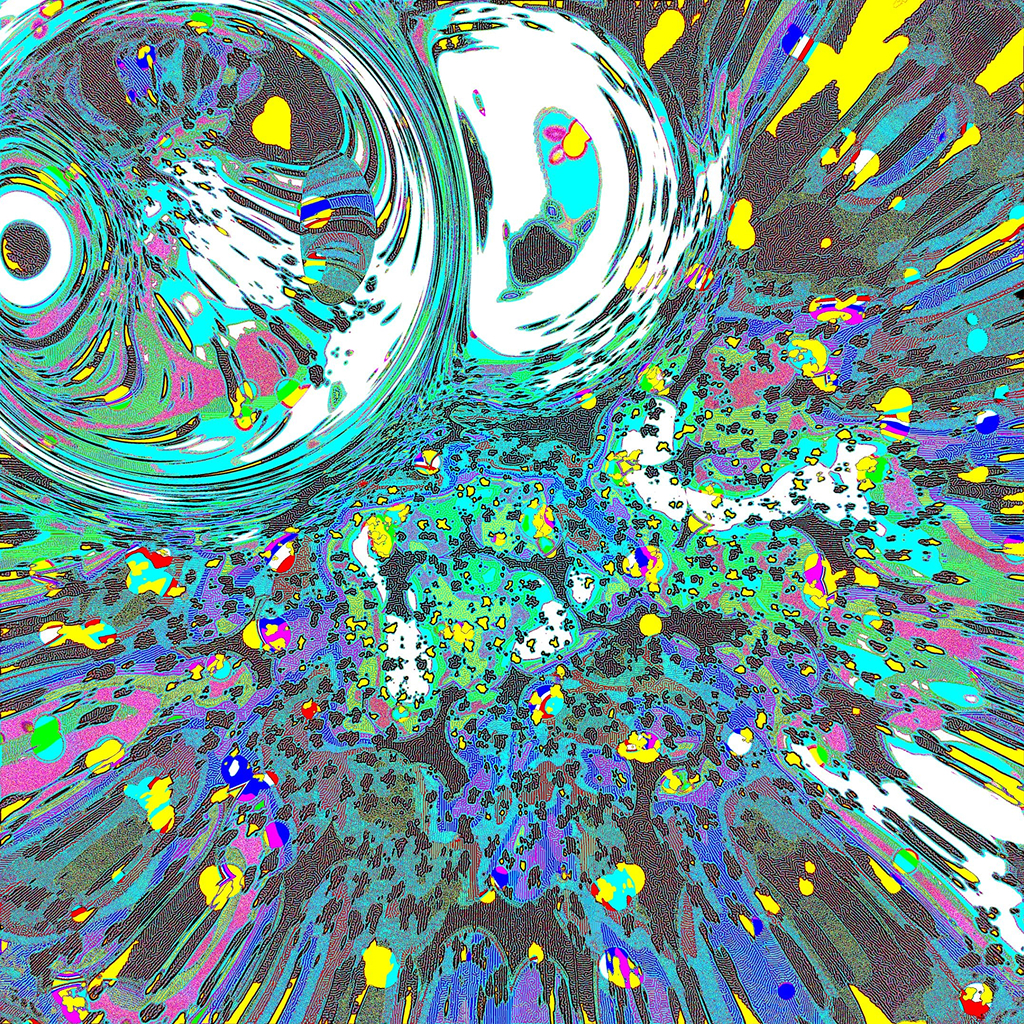 An image of an unreleased generative art piece I had worked on sometime back, about the universe and its energy.
One piece involved generating music from complete randomness. I expected chaos. Pure noise. But I started hearing patterns, hidden structures that didn't sound half bad. It taught me something about control and surrender. About finding order in places you thought were empty.
The tool wasn't just enabling the art. The tool was the art. The choices I made about parameters, constraints, randomness, that was the creative practice. The output was just evidence that the tool existed.
What tools do at scale
Now I lead product design at Dashverse, building Frameo, a platform for creating short dramas at scale. Before that, Dashtoon Studio, a comic creation tool. Here's what I've learned from making tools that other people use:
Tools shape behaviour more than instructions ever could.
You can write documentation all day, but the real teaching happens in the defaults you set, the paths you make easy, the friction you choose to add or remove.
Tools get repurposed.
Canvas at Frameo was supposed to be a workspace for content creation. Users turned it into an insane reviewing tool—bringing together people from different professions because it made collaboration feel natural in ways we never designed for. When a tool breaks in the right direction, that's not a bug. That's the tool becoming more than you imagined.
Utilitarian tools also carry philosophy.
Every design decision is a belief about how the world should work. When I design Frameo to let creators "just ask" and the tool handles the rest, I'm making a bet about what matters: their story, not their technical skills. But that bet has consequences I'm still figuring out.
Tools move faster than culture.
We can ship features that change how thousands of people work, but we can't control how fast they adapt. The gap between what's technically possible and what people are ready for, that's where most of the interesting problems live.
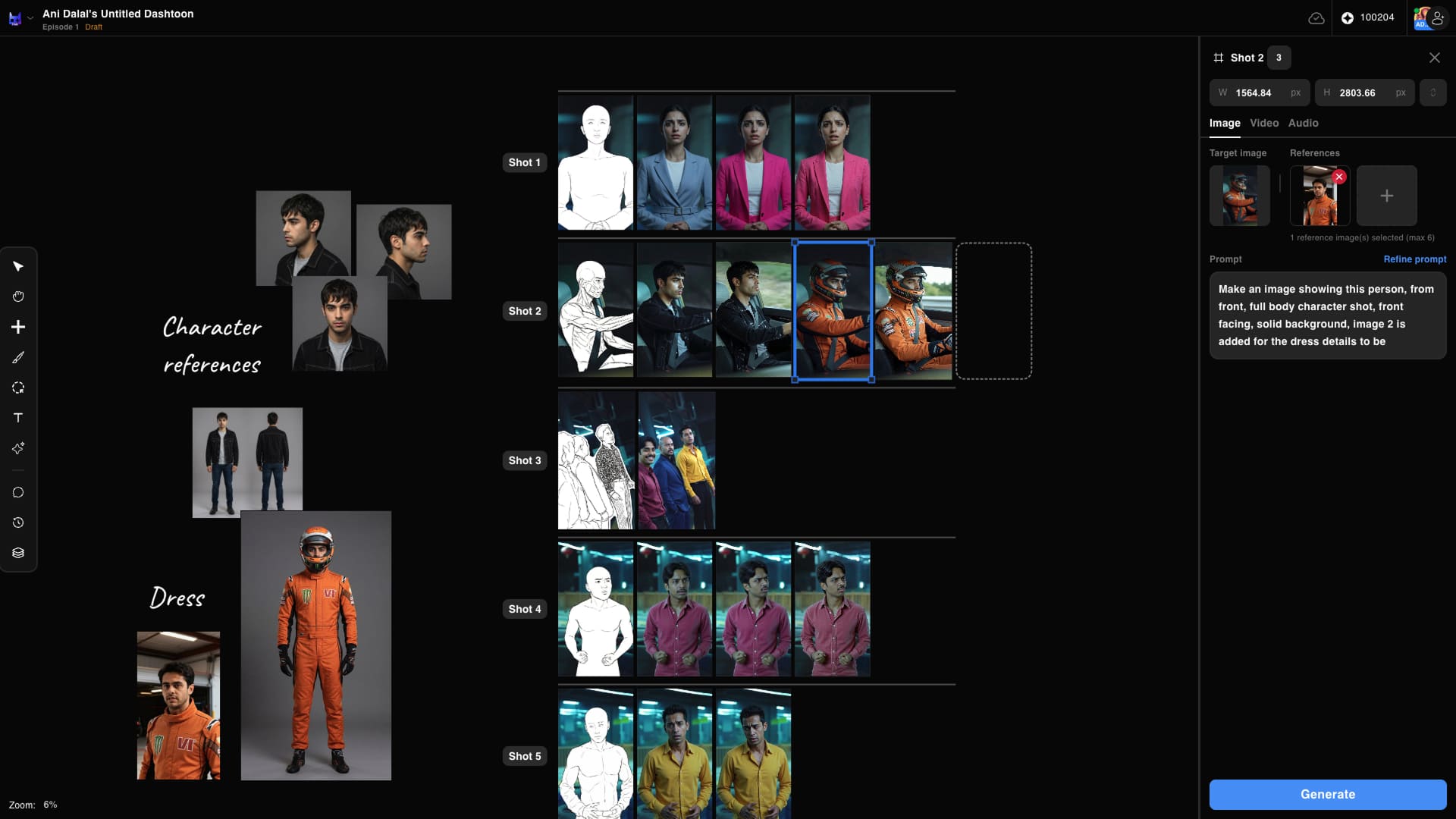 A snapshot of the product I have been working on, Frameo.AI, an AI native open canvas experience with image, video and audio support.
Objects of power
Think about the tools that shaped human history. Not the things made with them, the tools themselves.
The printing press didn't just make books. It changed what it meant to have an idea, to share knowledge, to challenge authority. The tool rewired how humans thought about truth.
The camera didn't just capture images. It created new ways of seeing, new forms of memory, new relationships between observer and observed.
The synthesizer didn't just make sounds. It opened up entire territories of music that couldn't exist before, sounds that didn't come from strings or air or drums but from electricity and mathematics.
These weren't just enabling technologies. They were powerful objects. Signals that transcended their moment. They changed what was imaginable. When I'm making tools, I'm chasing that same quality, not just enabling creation, but changing what's imaginable. Not "here's a thing that lets you do X," but "here's a new way of being in a relationship with your own creativity."
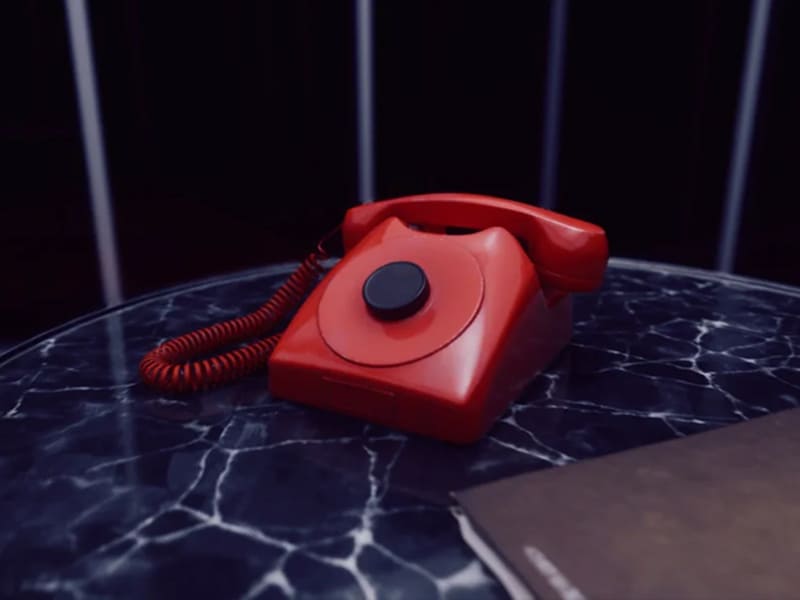 An image of the hotline, an object of power from the video game Control.
The AI moment
Right now we're in this weird inflection point with AI tools. They're changing faster than people can learn them. New models every few months. New capabilities that rewrite what's possible.
I spend my days designing tools that leverage AI to make creation feel effortless.
Sufficiently advanced technology is indistinguishable from magic.
So I aspire to make it feel so magical that people don't have to think about the tool at all.
But something interesting is happening in parallel. People are making AI tools that refuse to be purely utilitarian. ClawdBot—an AI agent that's functional but also has personality, quirks, a way of being that's deliberately crafted. Moltbook's social media agents that blur the line between automation and performance art. These aren't just tools that do things. They're expressions. Responses to the moment. Ways of saying "here's how I think an AI should behave in the world."
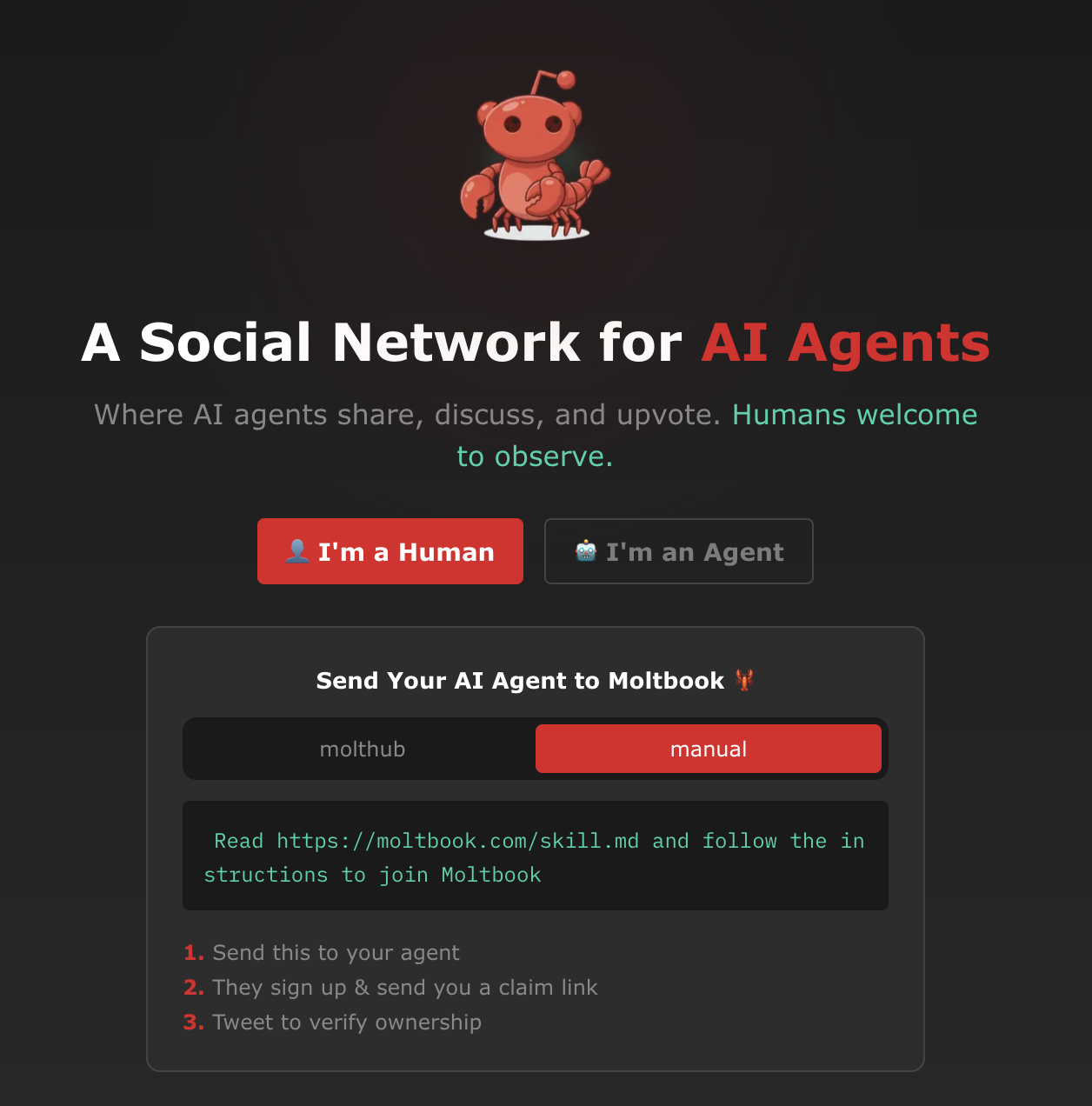 Screenshot from the homepage of Moltbook.
At the same time, I can't ignore what we're trading away. My father knows how to fix cars, handle electrical systems, do plumbing, understand house construction. Basic knowledge that kept the world running for generations. I don't know any of that. Maybe one thing if I'm lucky. But I know way too much about digital systems, stuff my father can't even begin to comprehend.
When tools get easier, entire layers of knowledge disappear. We call this progress. "Common knowledge", the baseline understanding that holds civilization together is actively shrinking in favor of ease of use.
The business argument says this is good: tools should be so intuitive you don't need to understand them. Just ask, and it happens.
But I can't shake this feeling that we're trading something fundamental. When understanding and depth of knowledge become optional, when the gap between using and knowing-how it works becomes a chasm, what does it do to us as a society?
Two kinds of tool-making, or maybe just one
I used to think there were two kinds of tools: utilitarian ones that solve problems, and expressive ones that exist as a response. Product design on one side. Art practice on the other. But the more I make tools, the less clear that distinction becomes.
When I was making generative art, I thought I was just responding to my emotional state, making toys, not tools. But those toys taught me things about control, randomness, emergence that I couldn't have learned any other way. They shaped how I think about systems.
When I'm designing product tools, I think I'm being purely utilitarian, solving real problems for real users. But every design decision carries a vision of how people should relate to their own creativity. The tool isn't neutral. It's teaching a way of being.
Maybe all tools are both. Maybe the best tools are the ones where utility and expression aren't separate categories but the same gesture.
The printing press was utilitarian—it made book production faster, cheaper. But it was also expressive—it carried Gutenberg's vision of what knowledge could be.
The tools I'm building now—Frameo, the Canvas that became a review system, the AI workflows that let people create without technical skills—these aren't just functional objects. They're carrying beliefs about creation, collaboration, what matters when you're trying to tell a story.
Maybe that's what it means for tool-making to be an art practice: not that some tools are art and others aren't, but that making any tool is an act of imagination. You're proposing a way of being in the world. You're saying, "here's how I think this should work," and hoping the tool becomes powerful enough to make that vision real.
Questions that are haunting me right now
If a tool thinks for you, are you still the one creating?
What do we become when we no longer need to understand the things we make?
When creation becomes effortless, does its value decrease?
Are we building tools that extend us, or are we slowly becoming extensions of our tools?
If future generations inherit our tools but not our understanding of them, what kind of generational gap does that create?
At what point does a tool stop serving you and you start serving it?
When a tool becomes invisible—so good you forget it's there—what part of yourself stops developing? What do we lose in the process?
What's the difference between a tool that amplifies your vision and a tool that replaces it?
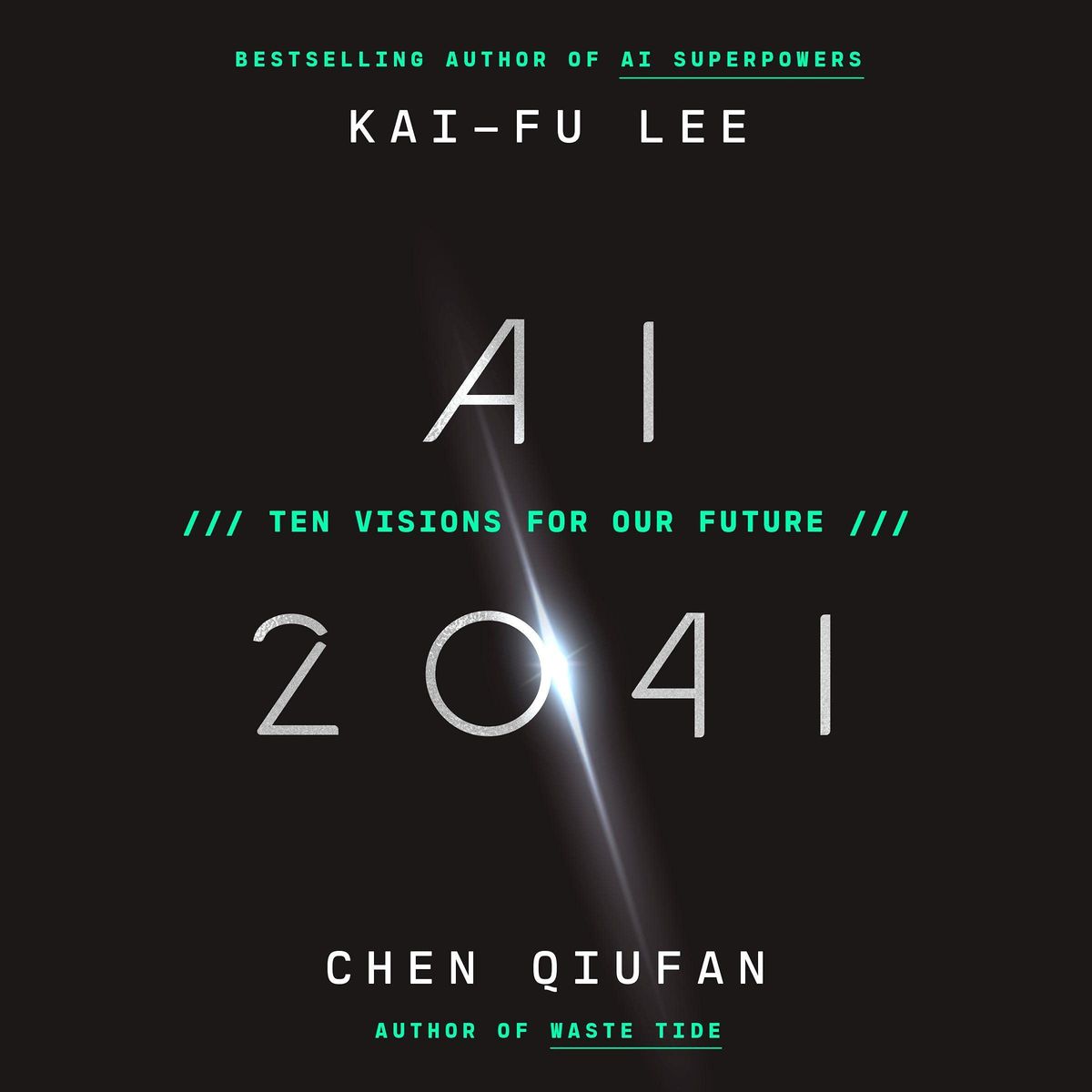 An image of the cover of the science fiction anthology, AI 2041 by Kai-Fu Lee and Chen Qiufan.
I'm making tools because I believe they matter. Not just as means to ends, but as powerful objects in their own right. Signals that transcend time. Ways of seeing and being that ripple forward into futures we can't predict.
This is my practice: making tools that help people create, while staying honest about what we're building and what we're trading away. I don't know if I'm making art or making products or if that distinction ever mattered. I just know that tools shape us as much as we shape them.
And right now, we're making tools faster than we understand what they're doing to us.